AI Can Fake a Voice. It Can't Fake Your Market.
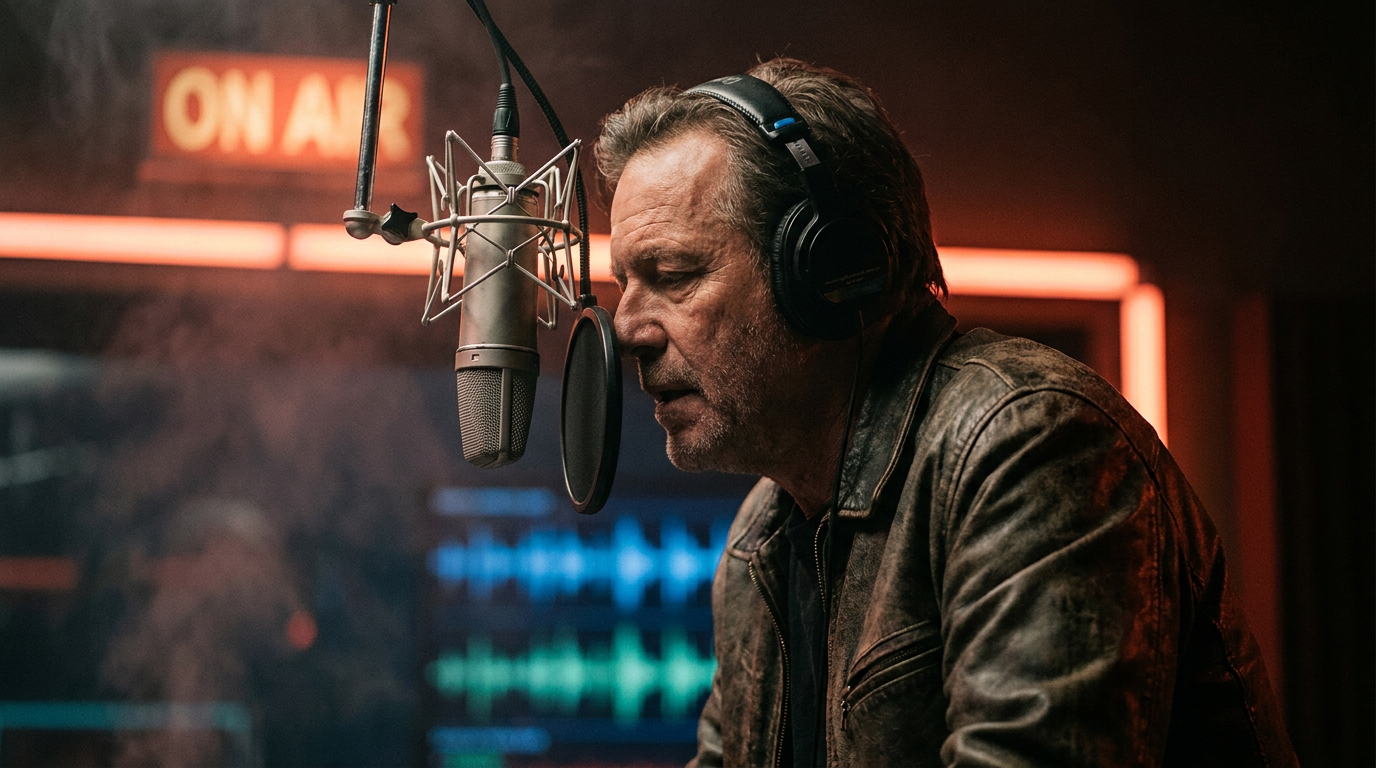
By Jason Kidd
Programmer, Talent, President/CEO
Every week somebody emails me a demo of an AI voice and tells me it's going to replace live talent. The read is clean. The pronunciation is perfect. It never calls in sick, never fumbles a liner, never asks for a raise. On paper it looks like a no-brainer for a station trying to cut a budget.
Then I listen a second time, and I hear what's missing. It doesn't know anything.
It doesn't know the high school just won state. It doesn't know Route 9 is shut down again and everybody's late for work. It doesn't know that when you say a certain diner's name, half the town smiles because of a thing that happened there fifteen years ago. Radio has never been about the voice by itself. It's about the voice that knows where you live.
- An AI voice can say your call letters. It cannot localize a break, and localizing the break is the whole job.
- The demo always sounds clean because a demo has nothing to know. The read is not the product; the market knowledge is.
- Voice tracking done right beats both a raw AI read and a warm body phoning it in, because real talent writes to your market.
- If you cut talent to zero and time spent listening drops, you did not save money. You traded a line item for your ratings.
- Sameness is the most expensive sound in radio. The moment a listener cannot tell you from a playlist, broadcast has lost its only edge.
The demo never shows you the part that matters
A synthetic voice can say your call letters. It can't localize a break. And localizing the break is the whole job. That's the difference between something playing in the background and something a listener actually leans into. The stations that are winning right now are not the ones that sound the most polished. They're the ones that sound like they're broadcasting from inside the community, because they are.
This is exactly why voice tracking, done right, still beats both a raw AI read and a warm body who's phoning it in. Real major-market talent, tracking your station, writing to your market, referencing your weather and your events and your listeners by name. It sounds live because the intent behind it is live.
Cheap is expensive when nobody's listening
Here's the math nobody puts in the AI pitch deck. If you shave your talent budget to zero and your time spent listening drops, you didn't save money. You traded a line item for your ratings. Sameness is the most expensive sound in radio. The second a listener can't tell your station from a streaming playlist, you've lost the only advantage broadcast has left, which is that a real person is talking to a real place at a real moment.
We built Virtual Jock's voice tracking around that idea. Experienced personalities who know how to connect, six localized shows a week per station, every break customized, delivered through your private portal and ready for automation. Major-market quality without the major-market payroll. You get the polish and the local connection, not one or the other.
Use AI for what it's actually good at
I'm not anti-technology. We use plenty of it in production every day. AI is great for the grunt work, cleaning up audio, speeding up a turnaround, handling the stuff nobody should be doing by hand anymore. Let it. Just don't hand it the microphone and ask it to be the reason someone in your market keeps you on in the car. That job still belongs to a human who's been doing this long enough to know that the connection is the content.
Your voice is your brand. Make sure the one carrying your call letters actually knows the people it's talking to.
Want this sound for your station?
Talk to Virtual Jock about radio voice tracking, radio imaging and custom radio jingles. Get a free demo, no obligation.
Get a Demo