How to Voice Track a Great Radio Shift
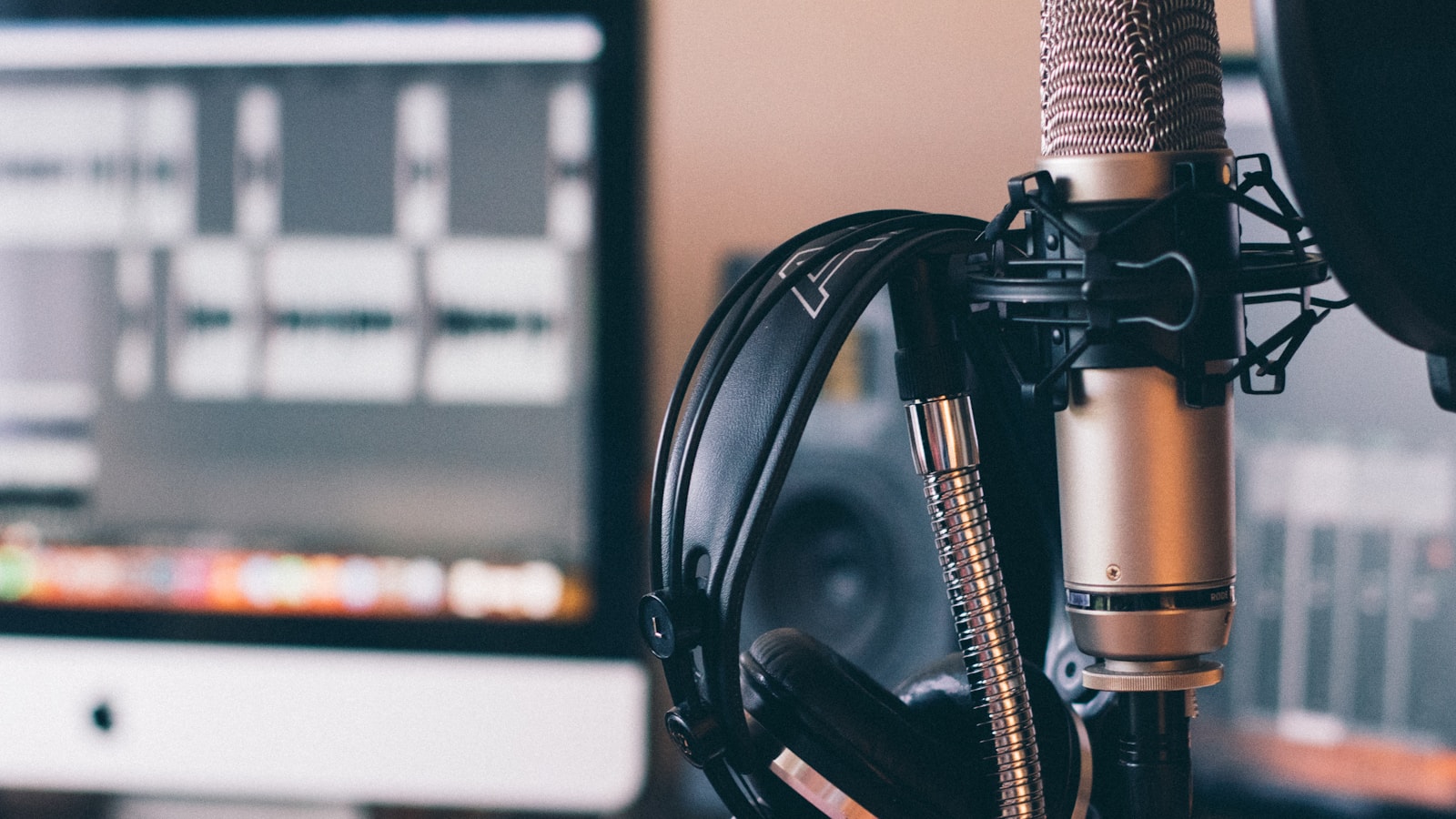
Photo by Will Francis on Unsplash
By Jason Kidd
Programmer, Talent, President/CEO
Years ago a PD played me two airchecks back to back and asked me which jock was in the building. One was a midday talent sitting thirty feet from his office. The other was tracked from a spare bedroom two time zones away. I picked wrong. The tracked shift had better time references, tighter breaks, and a line about the county fair parking situation that only a local should have known. The live jock, sitting in the market, sounded like he could have been anywhere.
That aircheck test is the whole argument about voice tracking in one sitting. The technology does not decide whether a shift sounds live and local. The preparation does. I have tracked shifts for stations I could not find on a map on day one, and I have heard hometown talent phone it in from down the hall. So this is the post I wish somebody had handed me before my first tracked shift: the actual method, break by break, for tracking a shift the audience cannot pick out of a lineup.
- Voice tracking quality is decided before you open the mic. The jocks who sound live spend more time on show prep than on recording, and the ones who sound canned do it in reverse.
- Record to the songs, not between them. Listening to the intro and outro of every element you talk around is the single biggest difference between a tracked break and a dropped-in one.
- Local is a research habit, not a birthplace. A tracker with the market's calendar, weather pattern, street names, and rivalries in front of them beats an unprepared local every time.
- The giveaways are always the same: breaks that run long, time and weather references that can go stale, and energy that does not match the music around it.
- One prepared voice tracker can cover multiple dayparts for less than one full-time hire, which is why the build-or-buy question deserves real math instead of reflex.
What does voice tracking a shift actually involve?
Strip the mystique off and the workflow is simple. The station's music scheduler builds the log. The automation system, or a shared session, shows you each break position with the song ending ahead of you and the song starting behind you. You record your break in that slot, the system stitches it in, and at 3:15 tomorrow afternoon the audience hears you come out of one song and set up the next like you are sitting in the chair.
I walked through where this fits in a jock's actual workday in what a radio DJ does all day, and the short version is that tracking compresses the on-air part without touching the prep part. That distinction matters, because the prep part is the job. The station covered the cost side of the equation in an earlier post on why stations voice track. This post is about the other half, the part that keeps the savings from costing you listeners: doing it well.
What should you prep before you record a single break?
Here is my actual pre-tracking checklist, built over a lot of shifts and a few embarrassments. First, the log. Read the whole thing before you record anything, because the log tells you where the shift breathes. Where the double play sits, where the promo cluster lands, which break comes out of a ballad and which one comes out of the loudest thing on the playlist. Jocks who record breaks in isolation, without reading the log, end up screaming out of a slow song.
Second, the market file. I keep a running document for every station I track: main drags and how locals actually say them, the school districts, the pro and college teams and who they hate, the annual events, the employer everyone works for, the weather pattern. When I started tracking for an upper Midwest station, the file was two lines. Six months in it was four pages, and the station's PD was stealing lines from my breaks for his liners.
Third, today's specifics. The forecast arc for the daypart, not the current conditions, since your break plays hours after you cut it. Tonight's games and concerts. The station's active contest and exactly how to enter, worded the way the promotions department wants it. And at least two pieces of real content: a local story, a music note about an artist on the log, something happening this weekend. Not filler. Something you would actually tell a friend in the car.
How do you make a tracked break sound live?
The mechanics come first. Always record hearing the outro of the song ahead of you and the intro of the song behind you. Ride the outro down, hit the post on the intro if the format calls for it, and let the music dictate your first word and your last one. A break that starts cold after the song has fully ended sounds edited because it was. This is the craft difference between talent who track and talent who record announcements.
Then the performance. Picture the daypart you are tracking, not the daypart you are in. If I am cutting an afternoon drive shift at nine in the morning, I am performing for somebody leaving work, hungry, halfway through their commute. I will stand up for it. Energy mismatches are the tell I hear most on bad tracked shifts: morning energy on an evening shift, or a jock clearly reading at midnight for a 6 a.m. break.
Time references are where trackers either get clever or get caught. You do not have to avoid them. You have to bulletproof them. "Coming up on the workday's last lap" is true across three hours. "It's 4:23" is a lie waiting to air. Same rule for weather: talk about the arc, "warming up through the afternoon," never the instant, "it's pouring out there right now," because the sky will make a liar out of you the one day it matters. The listener forgives a jock who never mentions rain. She does not forgive one who denies the rain she is driving through.
How local can you sound from three time zones away?
Pronunciation is the first door, and it is pass or fail. Every market has its shibboleths, the street or town name that outsiders butcher on the first try. Get those wrong once and the audience files you under fake. I ask the PD for a pronunciation list on day one, and when I cannot get one, I call a business in town and listen to how the person answering the phone says the name of their own street. Two minutes, and it has saved me more than once.
Past pronunciation, local is just specificity. "Great weekend to get outside" is nowhere. Naming the actual festival, the actual park, the actual high school whose team is in the playoffs is somewhere. My market file does most of this work, and the station's own people do the rest: a five minute call with the PD each week for what is actually going on in town beats an hour of scrolling the local news site, though I do that too.
I will say the quiet part here, because it is the honest version of the argument I made in AI can fake a voice, but it can't fake your market: a human tracker who does no local prep is making the same empty sound an AI makes. The defense of live-and-local was never about the room the jock sits in. It is about whether anybody in the break knows or cares what is happening in that town. Do the prep and you are local. Skip it and you are a syndicated liner card with a pulse.
What mistakes make voice tracking sound like voice tracking?
Length is the sneaky one. Live, the log and the top of the hour discipline you. Tracking, nothing does, and a 40 second thought quietly becomes 75 seconds because re-recording feels like effort. Set a personal cap per break and honor it. My rule: if the break needs more than one thought, it is two breaks, and one of them gets cut.
Staleness is the deadly one. A Thursday reference airing Friday, a "tonight" that meant yesterday, a contest that ended at noon still being teased at 5. Great trackers track as close to air as the workflow allows and flag any break that could expire. If a break depends on something that might change, either make it change-proof or track it same day.
And then there is the too-perfect problem. Tracked talent get precious, punching in until every break is spotless, and a shift of spotless breaks sounds like a commercial session, not a person. I leave the small human stuff in: the laugh, the half beat of thinking, the sentence that restarts. Radio intimacy lives in those seams. Sand them all off and you have removed the evidence a person was ever there, which is exactly the thing you were hired to provide.
When should a station hire a voice tracker instead of tracking in-house?
I sit on both sides of this desk, so here is the honest framework. In-house tracking makes sense when you have talent with real headroom, someone whose live shift ends at 10 and who can cut tomorrow's evenings with actual prep behind it. What it does not make sense for is the overloaded jock tracking three stations' worth of shifts between meetings, which is how you get the generic breaks that gave tracking its bad name in the first place.
Outside radio voice tracking earns its keep in the gaps: nights, weekends, the AM daypart on your second or third signal, the shift that has been running jockless liners since the last budget cut. A prepared professional tracker with your market file in hand will beat silence, beat liners, and frankly beat a burned-out local doing it under protest. The math usually surprises owners. A daypart of professional tracked content costs a fraction of a full-time hire, and unlike syndication, it says your streets, your events, and your call letters.
Whichever way you go, somebody has to own quality control. Aircheck the tracked shifts the way you would aircheck a live one, because everything in this post is coachable. If nobody in the building has the hours for that, that is a solvable problem too. It is part of what our programming consulting covers, and getting the daypart staffed is what our voice tracking services are for. Either way, get in touch and tell me what your log looks like after 7 p.m. I have heard every version of that story, and the fix is faster than you think.