Radio Imaging That Sells Your Station
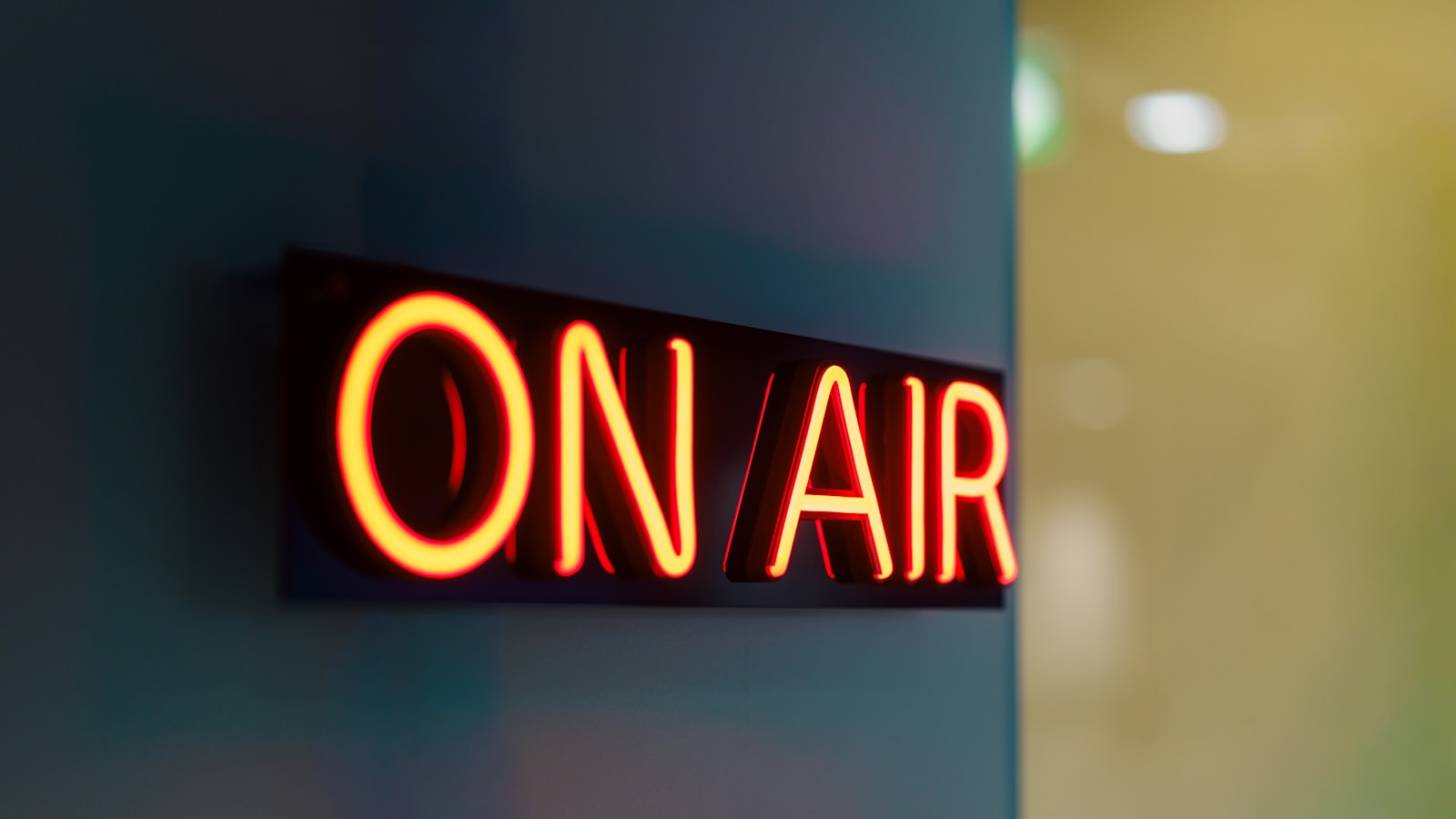
Photo by Jakub Żerdzicki on Unsplash
By Jason Kidd
Programmer, Talent, President/CEO
I spent a week in a rental car earlier this year, driving a market I used to program in, and I did what every radio person does in a rental car. I punched every button on the dial and graded the stations. One AC had a promo running that made me pull over and take a note. Thirty seconds, one clear promise about what the station would do for me that afternoon, and a payoff line I could repeat back an hour later. I did not know the PD. I knew exactly what that station was for.
Two buttons over, a rocker was running a sweeper that said the station's name, made a joke I did not get, and dumped into a spot break. That station spent money on that sweeper. A voice guy got paid, a producer got paid, somebody approved the mix. And it sold nothing. Not the station, not the next song, not a reason to come back tomorrow. The difference between those two stations is the whole subject of this post, because imaging is the only advertising your station runs for itself, every hour, on the most valuable inventory you own.
- Imaging is the only ad campaign your station runs for itself on its own air. Every sweeper and promo either sells a reason to listen longer or burns the inventory saying nothing.
- Ratings math favors imaging that converts occasional listeners into habitual ones. Moving a P2 listener to one more occasion a week does more for your numbers than chasing brand-new cume.
- Imaging that sells makes one promise a listener can repeat back. If your positioning line cannot survive a listener retelling it to a friend, it is not a positioning line yet.
- Your sales department sells the station they hear. A station that sounds big and certain walks into advertiser meetings with a taller story than its raw numbers.
- Most imaging fails by trying to be clever instead of clear. Inside jokes, production for its own sake, and stale promos are the three most common ways stations waste the airtime.
What does it mean for imaging to sell your station?
Radio people use the word imaging loosely, so let me pin it down. Your radio imaging is every produced element that speaks for the station between the songs and the shows: sweepers, promos, ramps, IDs, the positioning statements woven through all of them. I covered the inventory itself in what actually comes in an imaging package, so I will not repeat the parts list here. This post is about what that inventory is supposed to accomplish.
The test I give every piece of imaging is brutally simple. After it plays, is the listener more likely to do something I want? Stay through the stopset. Set a preset. Show up at 7:20 tomorrow for the feature they just heard about. Tell a coworker what this station is. If the honest answer is no, the element is wallpaper, and wallpaper on the air costs you twice: once in production dollars and again in the seconds it occupied.
Notice that selling here has two customers. The obvious one is the listener. The less obvious one is the advertiser, and I will get to them, because the sound of your station walks into every sales call before your account executive says a word.
How does imaging actually move ratings?
Here is the math nobody on the production side ever gets taught. Your audience number is cume times how long and how often those people listen. Cume is expensive to grow. It takes marketing dollars, a format hole, or years of consistency. Occasions are cheap to grow, because the people you need are already listening. They just do not listen enough.
That P2 listener who hits you three times a week for twenty minutes is your growth account. Imaging is the tool that works that account. A promo that tells her exactly what happens tomorrow at 7:20, and pays it off when she shows up, adds an occasion. An appointment feature with a name she can remember adds an occasion every day it airs. A sweeper that promises forty minutes of music and then delivers it teaches her the station keeps its word, and listeners measure that the same way they measure a friend who shows up on time.
This is also why the positioning line matters more than any individual cut. In a diary market, a listener writes down what she remembers, and she remembers the phrase your imaging drilled, which means your imaging is literally filling out the diary with her. In a meter market the mechanism changes but the goal does not: you win by being a habit, and habits are built on predictable promises kept. Either way, imaging that never states a clear promise cannot build the habit that pays you.
One warning from the programming chair: imaging amplifies what the station already is. It cannot fix a bad music log or a morning show nobody likes. If the product underneath is broken, that is a programming problem, and the best voice guy in America cannot sweeten your way around it.
Can imaging really help you sell advertisers?
Ask any good account executive what happens in the first minute of a cold meeting with a business owner. The owner says some version of "I've heard your station." What they heard was not your Tuesday 2pm music sweep. It was the overall impression your air leaves, and imaging is the loudest part of that impression, because it is the part that talks.
A station that sounds big gets treated big. I have watched two stations with nearly identical ratings command meaningfully different rates in the same market, and the gap was credibility you could hear. One sounded like a real brand: clean production, a consistent voice, promos that sounded like they were written by someone who cared. The other sounded like a jukebox with a mic. The buyer could not read a ranker, but she could hear the difference in ten seconds, and she paid for the one that sounded like it had its act together.
There is a second, more concrete connection. Every recurring feature your imaging builds becomes inventory sales can attach a client to. The named traffic report, the workday feature, the weekend countdown. Those exist because imaging created them, repeated them, and made them feel like fixtures. A station with no imaging discipline has nothing on the shelf to sell but spots, and spots alone are a commodity in every market in America.
Why does most imaging fail to sell anything?
I have made all three of these mistakes myself, so this is confession as much as critique.
The first killer is the inside joke. Imaging written to impress other programmers, packed with references the average listener will never catch. The rocker in my rental car had this disease. Radio is full of imaging that would kill at a broadcasters convention and means nothing to a nurse driving home from a twelve hour shift. She is the customer. Write for her.
The second is production for its own sake. Lasers, sweeps, seventeen layers of effects, and somewhere underneath it all, a message nobody can find. Impact and clarity are not enemies, but when they fight, clarity has to win. My rule with producers has always been that if you muted every effect, the words alone should still sell something. The effects are the frame. They are not the painting.
The third is staleness, and it is the most common because it is a maintenance failure rather than a talent failure. The promo for a contest that ended two weekends ago. The "brand new music from" sweeper naming a song you have played four hundred times. Stale imaging does worse than nothing: it tells the listener nobody is home. A listener who catches your station promoting something that already happened files the station under "not paying attention," and that is precisely the reputation a habit-based business cannot afford.
What should imaging that sells actually say?
Strip away the production and imaging that sells says a small number of things extremely well. What this station is. What it will do for you next. When to come back. That is nearly the whole job.
The discipline is in the repetition. By the time your staff is tired of the positioning line, the audience is just beginning to learn it. This is the hardest sell I make to station owners, because from inside the building the line feels worn out in a month. From inside a listener's life, where your station gets twenty distracted minutes a day, that same line has barely registered. The stations that win say one thing for years. The stations that churn positioning lines every quarter are starting over every quarter and cannot figure out why nothing sticks.
And the promise has to be in their language, not ours. Nobody driving to work wants "the market's premier destination for adult contemporary favorites." She wants to know you will not annoy her, you will play the songs she likes, and you will get her to work with something worth repeating at the office. Imaging is a benefits business. The moment it starts describing the station instead of the listener's payoff, it stops selling.
This is also where imaging and jingles shake hands. A sung logo makes the name and the line stick in a way spoken imaging cannot, which is why the two work as a system, something I dug into in the jingles post and why we build custom jingle packages to carry the same promise the sweepers make.
How do you know if your imaging is working?
You do not need a research budget to get a useful read. Ask ten people outside the building, listeners, advertisers, your cousin, what your station's phrase is. If they cannot get close, the imaging is not selling, whatever the production values. Ask them when the morning feature airs. Blank stares mean your appointment promos are not setting appointments.
In the numbers, look where imaging actually works. Occasions per week. Time spent listening. The audience curve around a promoted feature, before and after you started promoting it. Those move first. Cume moves last, if at all, and judging your imaging by cume is grading it on somebody else's job.
And listen to your own station the way I listened in that rental car. Not as the person who approved every piece, but as a stranger with one finger on the button. Every produced element that plays, ask the only question that matters: what did that just sell? If you keep answering "nothing," we should talk. Imaging is what we do all day at Virtual Jock, and the difference between imaging that decorates and radio imaging that sells your station is usually one honest conversation about what your air is actually saying. Reach out and let's have it.