How to Build a Radio Format Clock
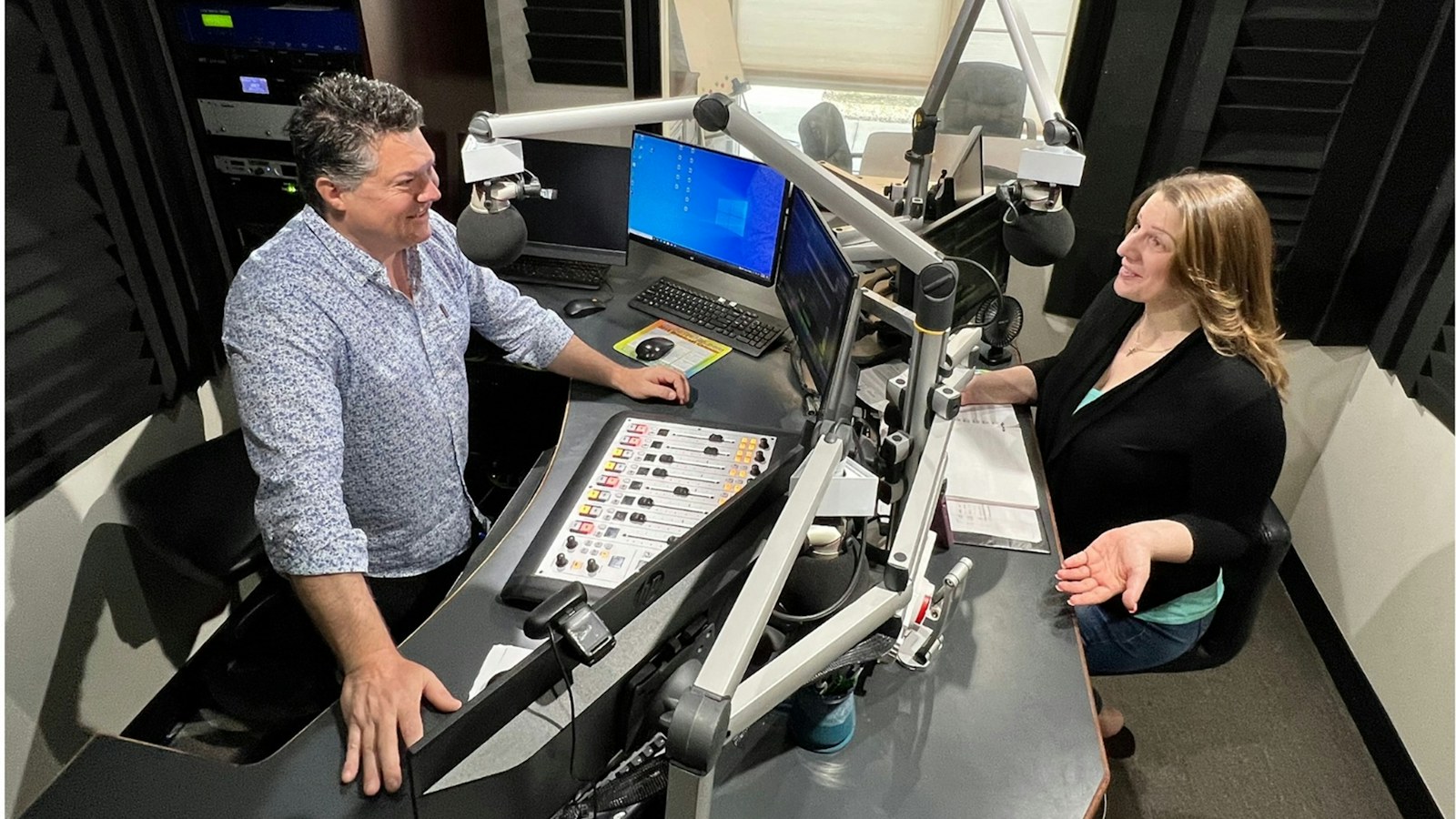
Photo by Geoff Moore on Unsplash
By Jason Kidd
Programmer, Talent, President/CEO
Every station I have ever walked into had a clock. Not every station had one anybody could explain. I have sat with program directors who could not tell me why the second stopset lived at :38, only that it had always lived there and the last PD set it up that way. That is how most clocks survive. Nobody builds them. They pile up, one exception at a time.
This is how I build a radio format clock from a blank circle, in the order the decisions have to be made. The order matters more than any single position, because each layer limits the one after it. Put the fixed obligations down first, then the commercial load, then the music, and only then the talk. Build it in any other order and you will spend a week moving things around to make room for whatever you should have placed first.
- A format clock is a one-hour map of where every element airs: legal ID, news, stopsets, music categories, talk breaks and imaging. Software fills it, but people design it.
- Build it in layers. Fixed obligations go on first, then stopsets, then music categories, then talk and imaging, because each layer constrains the next.
- Where a stopset starts inside a quarter hour decides how much a tune out costs you in ratings credit, so stopset placement is a programming decision, not just a sales one.
- Rotation math can lock a song into the same hour every day. Category sizes that divide evenly into the day should be fixed before the clock goes live.
- Most stations need fewer clocks than they run. Every extra clock is one more template the staff can execute wrong.
What is a radio format clock?
The name comes from the way it used to be drawn. A circle cut into wedges, each wedge colored by element, pinned to the studio wall next to the board. Some stations still print one. Most keep it inside the scheduling software now, where the clock is a list of positions and the software pulls titles into each one under rotation rules. The picture changed. The job did not.
A clock is not a playlist. The clock says a power current plays at :04. The scheduler decides which one. That split is why a station can sound consistent across 168 hours a week with a small staff: people design the positions once, and the software fills them thousands of times. It is also why a bad clock costs so much. The mistake repeats every hour, and it repeats perfectly.
What goes on the clock before any music?
Start with the legal ID. The FCC requires station identification every hour, as close to the top of the hour as practical, at a natural break in programming. On most music stations that is where the ID and a sung logo live, because the top of the hour is both an obligation and the most branded moment you own. If you run a radio jingles package, this position is where your best cut earns its money.
Then the contractual commitments. Network news at the top or bottom of the hour. A traffic report sales sold as running at :20 and :50 during drive. A syndicated feature with a fixed length. Write every one of them into the clock before you touch a stopset, and write their real lengths, not the lengths on the order. A traffic report booked at sixty seconds that actually runs seventy five pushes everything behind it, and your clock should know that before your talent finds out live.
One more item belongs in this layer, and stations forget it constantly: the sponsor tags and live reads sales has already committed to. If they exist, they need a position. Without one they get jammed into whatever break is handy, and whoever is on the air pays for it.
Where should the stopsets go?
This is the layer where programming and sales argue, and both have a point. Sales needs inventory, and the clock has to hold what the station sells. Programming needs the audience to still be there when the spots play, or that inventory is worth less every book. The clock is where the compromise gets written down, so write it down on purpose instead of renegotiating it one break at a time.
The quarter hour arithmetic is simple once you watch it happen. A listener tunes in at :13. Music runs through :15 and keeps going. If your stopset starts at :22, that listener has seven minutes inside the second quarter hour before the first spot, and even if they leave at the break you keep the credit. Move the same stopset to :17 and the same listener has two minutes in that quarter hour when the break hits. If they punch out, you get nothing for either quarter hour. Same spots, same length, different arithmetic.
I will not hand you a universal stopset map, because the right one depends on your format, your commercial load and your market. A news talk station and a country station carrying heavy local inventory will land in very different places. What should be universal is that every break start time on your clock has a reason you can say out loud.
How do you place music categories on the clock?
The first song out of a stopset is the most valuable music position on the clock. It is the moment a listener who sat through the break decides whether it was worth staying. That position should almost always be a power or a strong gold title, never a new add the audience does not know yet. The top of the hour works the same way. Test newer music in the middle of a set, cushioned between records people already love.
Then do the math, because this is where clocks quietly go wrong. Say your power category holds eight songs and your clock carries three power positions an hour. That is 72 power plays a day, so each song plays nine times, once every two hours and forty minutes. Nine plays divide evenly into 24 hours, which means every power song lands in the same hour every day. The listener who only hears you on the drive in hears the same power at 7:10 every morning. A nine song category locks the same way. Seven or ten songs drift instead. Good scheduling software has hour separation rules to fight this, but the cleanest fix is a category size that never syncs to the day in the first place.
The rotation rules themselves, from artist separation to tempo flow, are a separate discipline from the clock, and they are the part most stations underinvest in. That is the work our music scheduling service handles. The clock only tells the software where the categories go.
Where do talk breaks and benchmarks belong?
A break needs a position and a job. If the only reason a break exists is that the clock has a hole between two songs, the talent will fill that hole with whatever comes to mind, and it will sound like it. When I build a clock I label each talk position with what it is for. Tease into the stopset. Reset out of it. Benchmark at :45. Contest cue. That label does more coaching than any memo, because it tells the talent what the break owes the hour. It also explains a lot of what a radio DJ actually does all day, which is mostly preparing to hit those positions well.
Benchmarks get this wrong most often, because they are the first thing moved to make room for something else. Do not move them. A feature that runs at 5:15 on Monday and 5:22 on Tuesday is not a feature. The value of a named radio segment is that a listener can find it without thinking, and that only works when the position never changes.
Imaging goes on last, because it is the connective tissue. Sweepers into sets, a produced ID out of the stopset, a ramp over the intro where the talent is going to talk. Mark each one on the clock and match the cut type to the position. When the clock calls for a piece your library does not have, that is an inventory problem rather than a clock problem, and it is worth auditing the radio imaging you already own before you order anything new.
How many clocks does a station actually need?
Clock sprawl happens one reasonable exception at a time. A sponsor wants a feature in afternoons, so afternoons get their own clock. A syndicated show needs different hard breaks, so that hour gets one too. A year later the station runs eleven clocks, three of them nearly identical, and nobody remembers which one airs Thursday at 2pm. The log looks fine. The air sounds inconsistent, and nobody can say why.
My rule is that a clock earns its existence only if it differs from the core clock in a way a listener would hear. A heavier stopset load in drive qualifies. A morning show that needs longer talk positions qualifies. A different sweeper order does not. That is a note on the clock you already have.
Voice tracking is the other reason to keep the count low. Talent tracking a shift records to positions, and when the positions change from one clock variant to the next, the tracks land wrong. If you voice track your shifts, lock your clocks down harder than a fully live station would, and send your tracker the clock along with the log.
How do you know the clock is working?
The first test is compliance, and it is humbling. Pull a week of as-run logs and lay them next to the clock. Stopsets built to start at :22 start at :26 because the traffic report runs long. Benchmarks drift. Songs get dropped to hit the top of the hour, and it is always the same category that gets dropped. None of that shows up when you read the clock. It shows up the minute you compare the clock to the air.
The second test is the audience. If you have minute-level ratings detail, look at listening around each stopset and at every quarter hour boundary. You are hunting for one break that consistently costs more than the others, which usually means it sits in the wrong place or runs too long.
If the clock passes both tests and the station still underperforms, the problem lives somewhere else, usually in the music library, the talent or the positioning, and rebuilding the clock again will not fix it. That is also why the clock is the first thing examined in a radio consultant's first month. It is the fastest way to rule structure in or out.
You can build a good clock yourself with a blank circle, a real list of your obligations and an afternoon of arithmetic. Where stations get stuck is rarely the building. It is agreeing on the tradeoffs and holding the line once the clock is live. If your team has been rearranging the same hour for months, our radio programming consulting starts with exactly that conversation. Tell us about your station and we will tell you plainly what your clock is doing to it.
Is your clock working for your station?
Talk to Virtual Jock about programming consulting, music scheduling, imaging, and jingles. Get a free demo, no obligation.
Get a Demo